

As a professional who constantly needs to stay ahead of the curve, I’ve been on a quest to find tools that can truly transform my research process. That’s when I discovered Perplexity Pro, and I can confidently say it’s been a game-changer for my workflow. While it does come with a cost, the benefits I’ve experienced make it well worth the investment. Let me take you through my journey with this powerful AI-powered research assistant and show you how it could revolutionize your work too.
Picture this: You’re knee-deep in a crucial project, desperately searching for that elusive piece of information that could make or break your presentation. Hours tick by as you sift through endless search results, jumping from one website to another, growing increasingly frustrated. Sound familiar? That was my daily reality until I discovered Perplexity Pro.
“Since about half a year ago, I’ve been using Google Search less and less for my professional research work. Most of my daily research is now done through Perplexity. The reason is simple. I get answers to my questions straight away in a format in which I can immediately continue with my work without having to wade through lists of ‘google search ads,’ click through pages, skim articles, and repeat the process. It shaves off hours during my workday and has truly increased my productivity.”
In this article, I’ll share my experience with Perplexity Pro and how it’s reshaping the landscape of online research. Whether you’re a seasoned executive or a rising professional, understanding and leveraging this powerful tool could give you a significant edge in today’s fast-paced business world.
Key Take-Aways
- Discover how Perplexity Pro can save you hours of research time
- Learn to harness AI-powered search for more accurate and relevant results
- Explore advanced features that transform raw data into actionable insights
- Understand the potential impact of AI-assisted research on business decision-making
- Gain practical tips for integrating Perplexity Pro into your daily workflow
From Information Overload to Instant Insights: Research with Perplexity
At its core, Perplexity is an AI-powered “answers engine” that goes beyond traditional search capabilities. Instead of presenting you with a list of links to sift through, Perplexity analyses information from multiple sources and generates concise, relevant answers to your queries. It’s like having a tireless research assistant at your fingertips, working around the clock to provide you with the most up-to-date and pertinent information.
The key benefits I’ve experienced as a professional include:
- Time-saving: No more hours spent clicking through numerous web pages.
- Accuracy: AI-driven analysis reduces the risk of overlooking crucial information.
- Relevance: Answers are tailored to my specific queries, cutting through the noise.
- Up-to-date information: Real-time web crawling ensures I’m getting the latest data.
The Evolution of Search: Why Perplexity Stands Out
To truly appreciate the value of Perplexity, it’s essential to understand how far we’ve come in the world of online search.
The journey began with simple keyword matching, where search engines would find web pages containing the exact words you typed. This evolved into more sophisticated algorithms that considered factors like page relevance and website authority. Google’s PageRank algorithm was a revolutionary step, analysing the number and quality of links to a page to determine its importance.
However, even with these advancements, traditional search engines still require users to sift through results, piecing together information from multiple sources. This is where Perplexity’s approach to information synthesis sets it apart.
Perplexity leverages advanced AI models to understand the context and intent behind your queries. It doesn’t just match keywords; it comprehends the essence of your question and scours the internet to compile a comprehensive answer. This means you’re not just getting links to potentially relevant information — you’re receiving a curated response that directly addresses your query.
This approach reminds me of the principles of effective prompt engineering, which we discuss in my guide to mastering prompt engineering. Just as crafting the right prompt is crucial for getting optimal results from AI models, Perplexity’s ability to understand and interpret queries leads to more accurate and useful responses.
In my experience, the real-world applications across various professional fields are numerous:
- Academic research: Quickly gather insights from scholarly articles and research papers.
- Marketing professionals: Efficiently compile market trends and consumer behavior data.
- Financial analysts: Rapidly assess market conditions and economic indicators.
- Content creators: Gather comprehensive information for article writing and fact-checking.
Supercharge Your Daily Tasks: Perplexity Research in Action
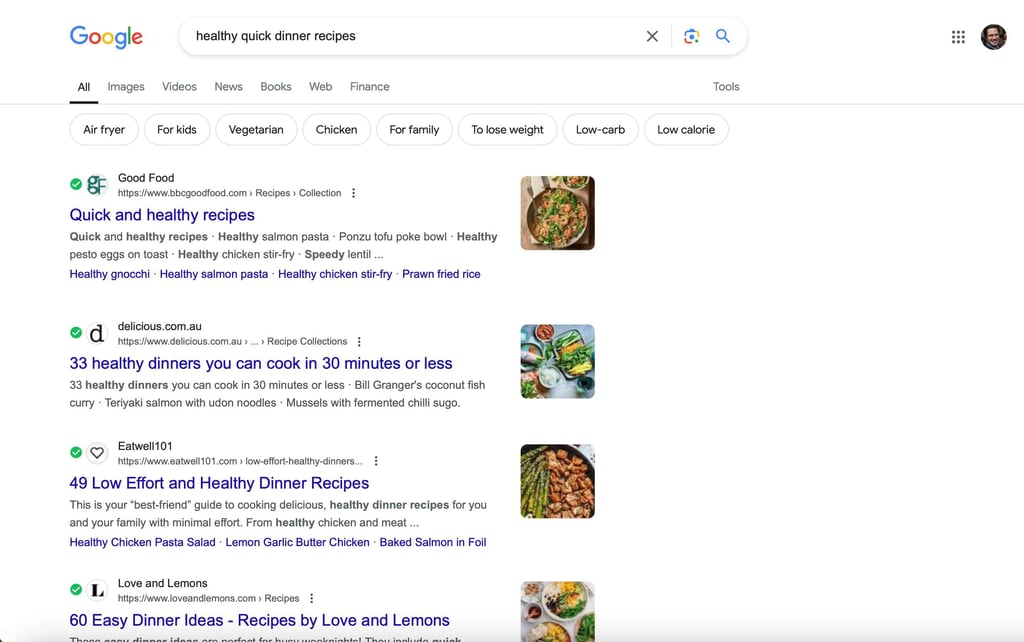
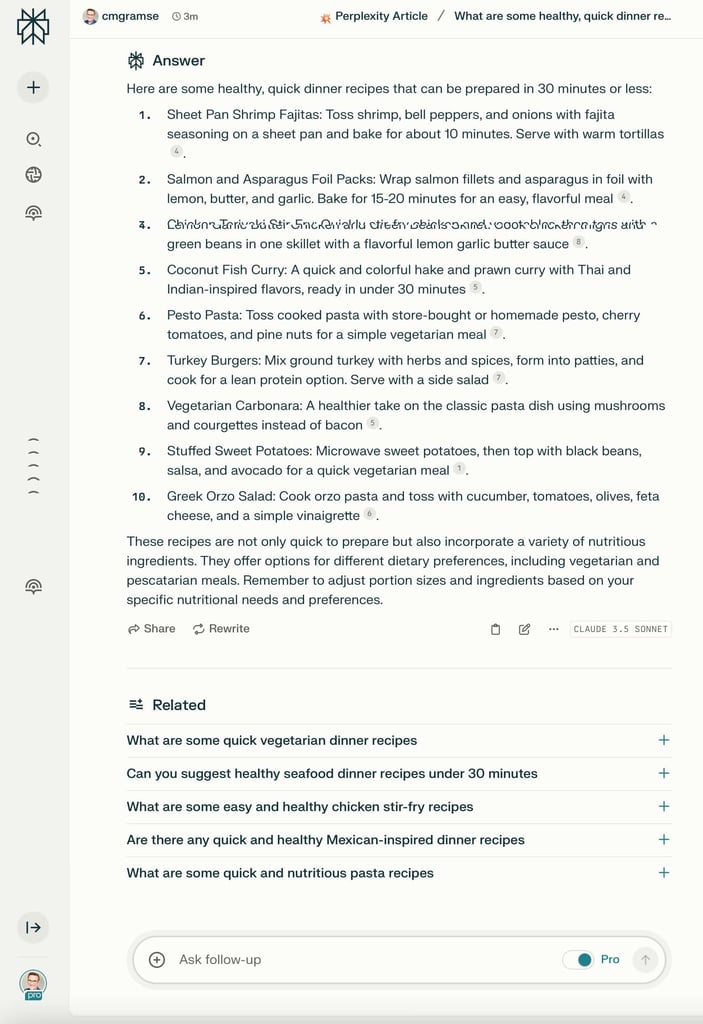
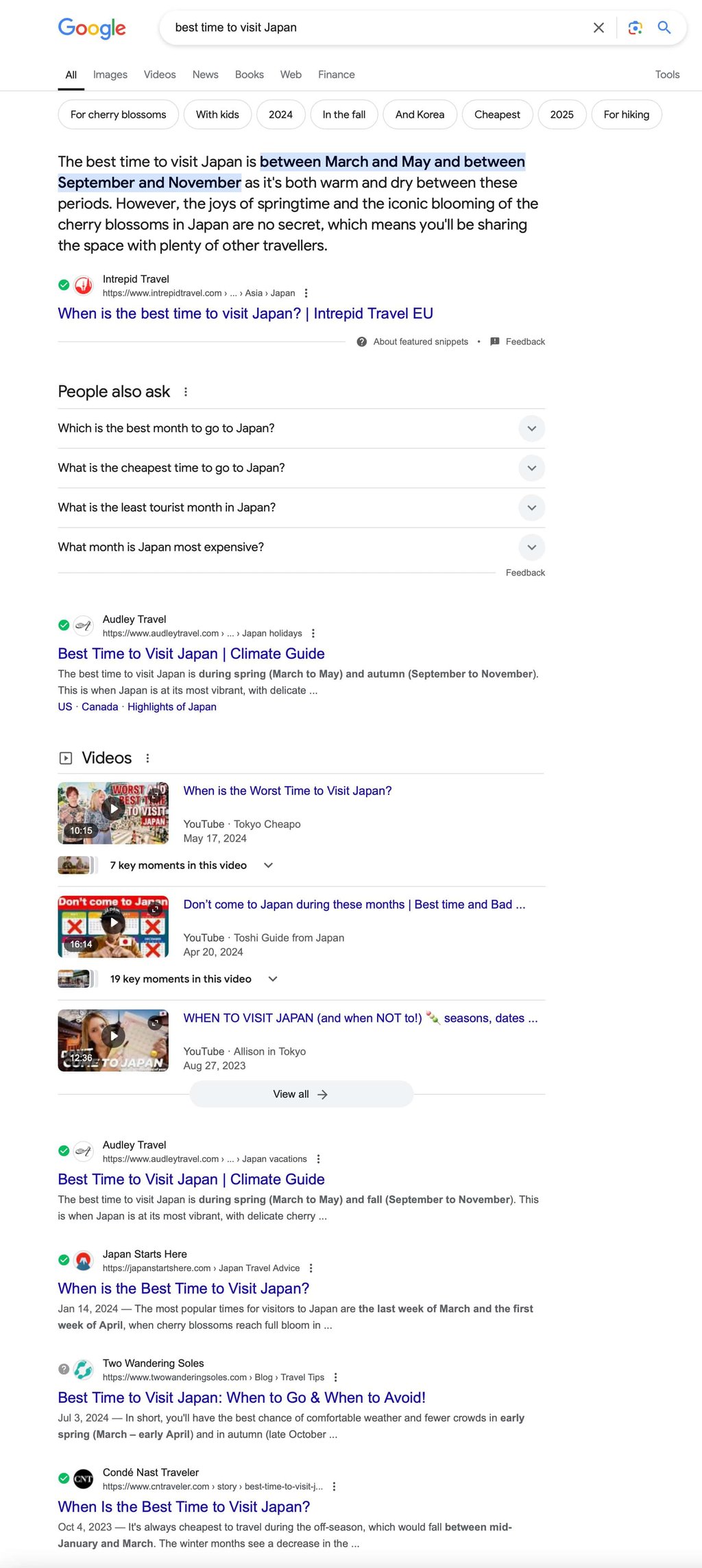
Now, let’s have a closer look at how Perplexity has transformed my daily research tasks. The contrast with traditional search methods is quite staggering.
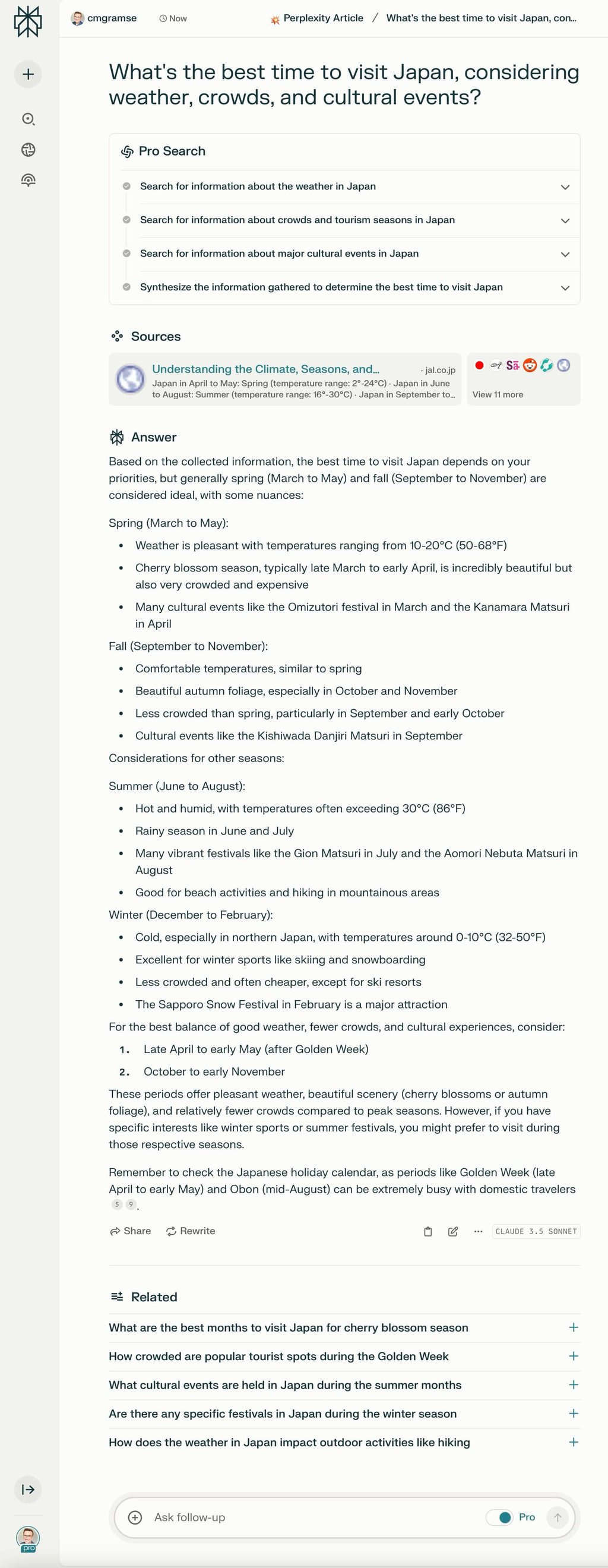
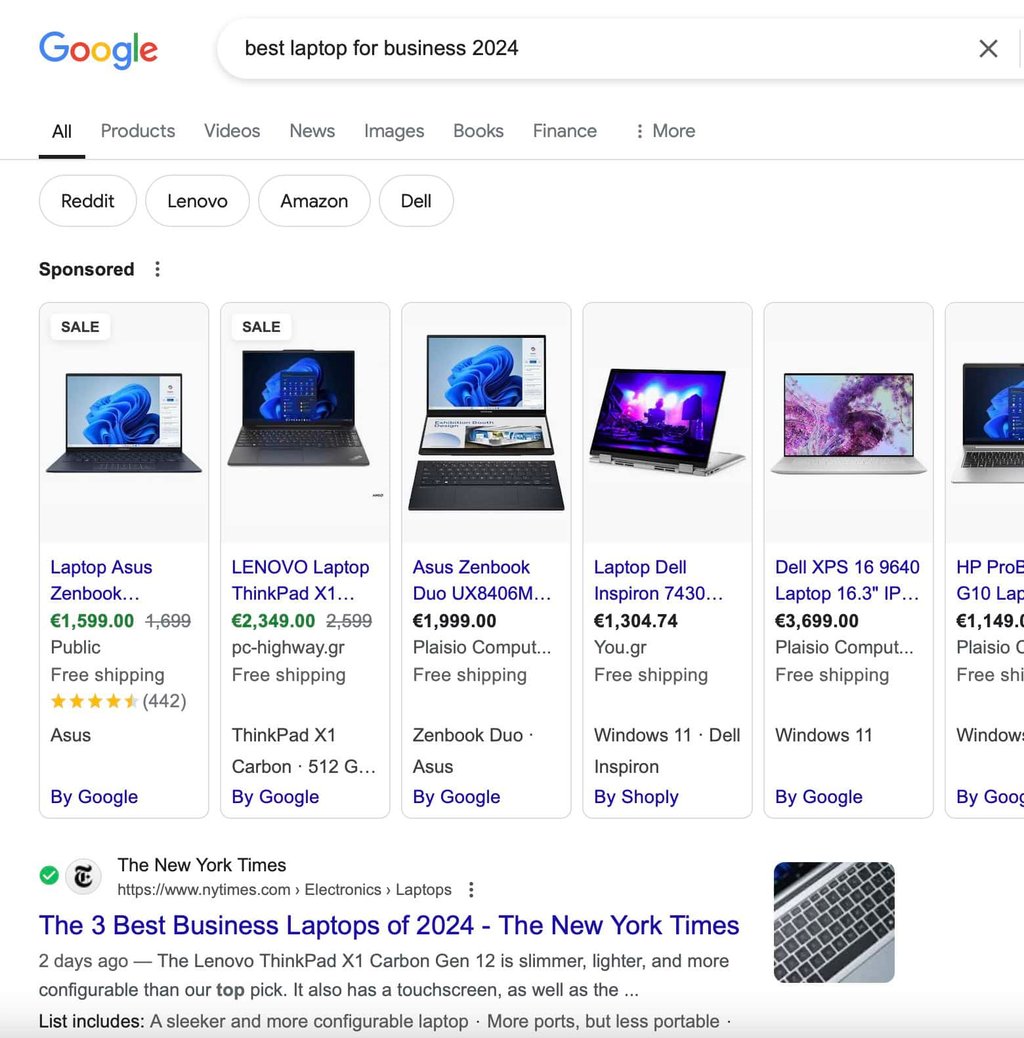
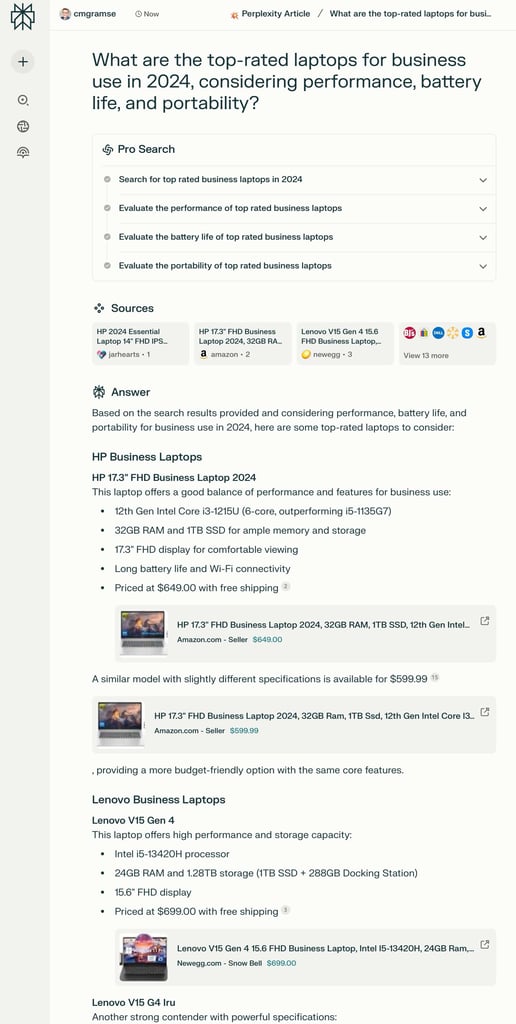
Conquering Professional Challenges with AI-Powered Precision
Let me share how I’ve used Perplexity to tackle more complex, professional tasks.
Market Analysis Example:
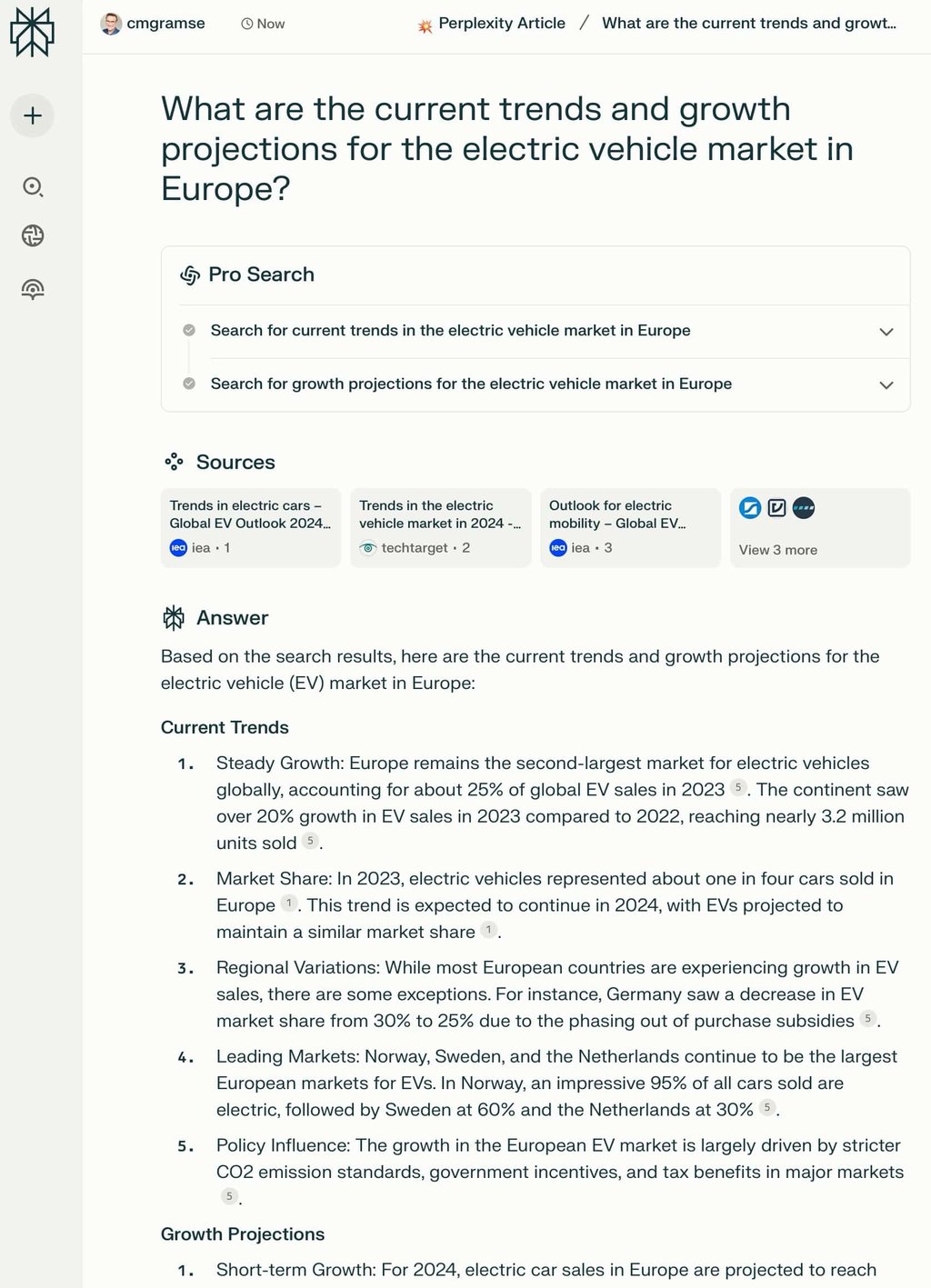
Query: “What are the current trends and growth projections for the electric vehicle market in Europe?”
Perplexity’s response provided a comprehensive analysis synthesizing information from multiple sources, providing a clear, structured overview that would typically require hours of research using traditional search methods. It’s like having a team of analysts at your fingertips, ready to compile and present data at a moment’s notice.
Unlocking Perplexity’s Full Potential: Professional Research Tools
Beyond the standard Internet search functionality, Perplexity offers more refined modes of research through its “Focus” feature.
Perplexity Research: Mastering the Focus Feature
Perplexity’s “Focus” feature is its ability to narrow down search areas, allowing for more targeted research. This is particularly useful when I need information from specific types of sources. The focus options include:
- All: Search across the entire Internet
- Academic: Search for published academic papers
- Writing: Generate text / chat without searching the web
- Math: Search equations and find numerical answers
- Video: Discover and watch videos
- Social: Search for discussions and opinions
To use this feature, I simply set my focus when starting a new thread. Every follow-up question then concentrates on the specified area, ensuring more relevant and precise results.
This feature reminds me of the importance of context in prompt engineering, as discussed in our guide on mastering prompt engineering. Just as providing the right context in a prompt can lead to more accurate AI responses, using the Focus feature in Perplexity helps narrow the search context for more relevant results.
Pro Search: Your Gateway to Unparalleled Depth
Pro Search is where Perplexity truly shines as a research assistant. It uses advanced AI models like GPT-4 Omni and Anthropic Claude Sonnet 3.5 to engage in meaningful dialogue, going much further than traditional search engines. Pro Search actively shows you, step-by-step, how it breaks down your question and performs deep research, linking to every source it references.
Key benefits of Pro Search that I’ve experienced include:
- Solving complex problems by breaking your initial query into sub-queries and researching them
- Summarizing insights from a wide range of sources
- Interpreting code, making it ideal for developers and data scientists
- Providing more comprehensive responses compared to Quick Search
Collections: Your Personal Knowledge Hub
With my frequent use of Perplexity, I gathered numerous search threads and the whole organisation became quite confusing. That’s where the Collections feature became quite handy, allowing me to organize these threads into meaningful groups and create a personal knowledge library.
Collections serve as custom folders within your Perplexity account, allowing you to group related threads together. This organization makes it easier to revisit and build upon previous research, enhancing productivity over time.
Perplexity vs. Other AI-Powered Tools
While Perplexity excels in search and information synthesis, it’s worth comparing it to other AI-powered tools like ChatGPT. Here’s how I’ve found they stack up:
-
Internet Access: Perplexity has real-time access to the internet, ensuring up-to-date information. ChatGPT’s knowledge is based on its training data, which has a cutoff date.
-
Source Citations: Perplexity provides clear citations for its information, allowing for easy fact-checking. ChatGPT doesn’t typically provide sources. However, it is important to still check citations. I have found that sometimes the citations are misleading or non-existing, so really double-check on your results, as always.
-
Focus: Perplexity offers specialized focus areas (Academic, Video, Social, etc.), while ChatGPT is more general-purpose.
-
Creative Writing: Both tools can assist with writing, but Perplexity’s Writing focus and access to different AI models (like GPT-4 Omni and Claude 3) can provide more tailored creative writing assistance.
-
Image Generation: While this feature is hidden and obscured through the UI, Perplexity does allow to create images to queries by using models like Stable Diffusion XL, Dall-E 3 or Playground v2.5.
-
Code Interpretation: Both tools can help with coding, but Perplexity’s Pro Search includes a code interpreter for executing and debugging code.
What Should I Use Perplexity For?
In my experience, Perplexity is incredibly versatile and can be used for a wide range of tasks:
- Academic Research: I use the Academic focus to find and summarize scholarly articles.
- Market Research: It’s great for gathering insights on industry trends and competitor activities.
- Content Creation: The Writing focus helps me generate ideas and outlines for articles or blog posts.
- Fact-Checking: I can quickly verify information from multiple sources.
- Learning New Concepts: It provides comprehensive explanations on unfamiliar topics.
- Problem-Solving: It helps me break down complex problems and find step-by-step solutions.
- Current Events Analysis: I get balanced views on current news and events.
- Code Assistance: I use it to debug code, understand programming concepts, and find coding solutions.
From Novice to Power User: Mastering AI-Powered Search
During my use of Perplexity I’ve developed some strategies to get the most out of this tool. Here are some tips that have significantly improved my research efficiency.
Crafting the Perfect Query: The Art of Effective Prompting
To get the most out of Perplexity, it’s crucial to frame your queries effectively. Here are some techniques I’ve found particularly useful:
Specificity is Key
Instead of asking “Tell me about AI,” I’ve learned to be more specific. For example, “Explain the key differences between narrow AI and artificial general intelligence, including current capabilities and future projections.”
Contextual Framing
I always try to provide relevant context in my queries. For instance: “I’m writing an article on sustainable fashion. What are the latest innovations in eco-friendly textile production?”
Breaking Down Complex Questions
For multi-faceted topics, I use a series of related queries to build a comprehensive understanding. This approach allows me to tackle complex subjects piece by piece.
The Art of Follow-up Questions
I’ve found great value in leveraging Perplexity’s suggested follow-up questions or crafting my own to dive deeper into a topic.
These techniques align closely with the principles of effective prompt engineering discussed in my comprehensive guide.
Beyond the Interface: Integrating Perplexity into Your Workflow
To truly revolutionize your research process, consider these strategies that I’ve incorporated into my daily routine:
- Morning briefings: I start my day by asking Perplexity for the latest news in my field.
- Fact-checking: Before including any information in my work, I use Perplexity to quickly verify it.
- Brainstorming: When I need fresh ideas for projects or content, I use open-ended questions to generate concepts.
- Learning new concepts: Whenever I encounter an unfamiliar term or idea, Perplexity provides a quick, comprehensive explanation.
- Writing assistance: It’s become an invaluable tool for finding relevant statistics, examples, or counterarguments for my content.
Embracing the Future of Research: Your Perplexity-Powered Career
As we’ve seen, Perplexity represents a paradigm shift in how we approach online research and information gathering. By leveraging AI to synthesize and present information in a clear, concise manner, it addresses many of the pain points I used to experience with traditional search methods.
The contrast between Perplexity and conventional search engines like Google is stark. While Google has dominated the search landscape for years with its keyword-based algorithms and link-ranking systems, Perplexity takes a more holistic, AI-driven approach. It doesn’t just find information; it understands and contextualizes it, providing answers that are tailored to your specific needs.
This shift from “search” to “answers” has profound implications for professionals across industries. It’s not just about finding information faster; it’s about gaining deeper insights, making more informed decisions, and ultimately, working smarter.
However, it’s important to note that while Perplexity is a powerful tool, it’s not a complete replacement for critical thinking and expert knowledge. Instead, I consider it to be a force multiplier for my existing skills and expertise. I use it to augment my research, validate my ideas, and explore new avenues of inquiry.
Perplexity is certainly not the only tool out there. There are other promising tools and projects like Exa Search, Tavily and GPT Researcher that will perform in similar ways. It is an exciting time and Google will have to step up if they want to remain relevant in future.
FAQ: Common Questions About Perplexity in Professional Settings
Is Perplexity suitable for academic research? Absolutely! Perplexity’s Academic focus is excellent for finding and summarizing scholarly articles. However, always verify information and cite original sources in academic work.
How does Perplexity ensure the accuracy of its information? Perplexity provides citations for its sources, allowing users to verify information. However, it’s always good practice to cross-check crucial information.
Can Perplexity replace traditional literature reviews? While Perplexity can significantly speed up the process, it shouldn’t entirely replace traditional literature reviews. Use it as a starting point and to identify key sources.
How often is Perplexity’s information updated? Perplexity accesses real-time information from the internet, ensuring its responses are based on the most current data available.
Can Perplexity handle industry-specific jargon? Yes, Perplexity is capable of understanding and using industry-specific terminology. However, being specific in your queries helps ensure accurate responses.
Is my research data safe when using Perplexity? Perplexity takes data privacy seriously. However, avoid inputting sensitive or confidential information into any online tool without checking their privacy policy.
How does Perplexity compare to specialized research databases? While Perplexity is versatile, specialized databases may still be necessary for certain fields. Perplexity can complement these tools by providing broader context and synthesizing information.
Can Perplexity help with data analysis? Perplexity can help interpret data and explain statistical concepts. For complex analyses, however, specialized statistical software may be necessary.